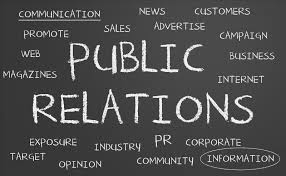
In today’s hyperconnected world, having a robust PR strategy is not just a luxury—it’s a necessity. Businesses pour time, energy, and millions into crafting impeccable business strategies, but without a complementary PR strategy, those efforts often fall short. Visibility, credibility, and public trust cannot be engineered through numbers alone. They demand communication, reputation management, and sustained engagement—cornerstones of a good PR strategy.
Why Business Strategy Alone Is Not Enough
You might have the best product on the market, the most competitive pricing, or the most streamlined operations, but without public support and recognition, success remains elusive. A business strategy focuses primarily on financial goals, market penetration, and product or service delivery. It maps out the “what” and the “how,” but often lacks the “why”—the emotional connection to the audience. This is where a PR strategy steps in, bridging the gap between corporate goals and public perception.
What Makes a PR Strategy So Vital?
A PR strategy is your direct line to the hearts and minds of your audience. It gives your business a voice and a personality. It not only promotes what you do but explains why it matters. A strategic PR approach allows you to:
- Build Brand Awareness: While advertising tells people to buy, a PR strategy cultivates curiosity and engagement through storytelling, earned media, and authentic brand positioning.
- Manage Reputation: In times of crisis, silence can be more damaging than the issue itself. A strong PR strategy ensures you have a crisis communication plan in place to safeguard your brand’s integrity.
- Establish Thought Leadership: A well-executed PR strategy positions your executives and brand as industry leaders, building credibility that money can’t buy.
- Drive Organic Growth: Media mentions, social media engagement, and influencer endorsements stemming from a PR strategy often generate organic leads and traffic.
The Cost of Ignoring PR in Your Business Plan
Failing to integrate a PR strategy can result in numerous missed opportunities and increased vulnerabilities. Businesses without PR direction often:
- Struggle with public misperceptions.
- Fail to respond to negative press effectively.
- Get lost in the noise of more media-savvy competitors.
- Experience slower growth due to lack of credibility.
PR isn’t just about press releases or event planning; it’s about constructing a public-facing narrative that aligns with your brand’s values and business objectives. When there’s no PR strategy in place, businesses risk becoming invisible or, worse, irrelevant.
How PR Strategy Complements Business Strategy
Your business strategy sets the course, but your PR strategy provides the fuel and traction. Here’s how the two work together:
- Strategic Launches: Business plans often focus on launching new products or entering new markets. A PR strategy ensures these efforts gain public attention and are framed in a way that resonates with target audiences.
- Customer Retention and Loyalty: Business strategies focus on customer acquisition and retention metrics, but a PR strategy enhances customer loyalty by continuously engaging them through storytelling, thought leadership, and community-building.
- Brand Differentiation: In saturated markets, a business strategy might aim for competitive pricing or innovation. A PR strategy reinforces this differentiation through consistent media messaging and brand advocacy.
Real-World Examples of PR Strategy Impact
Let’s take a look at how integrating a PR strategy can transform brand visibility and business outcomes.
Apple Inc. doesn’t just release products—they build anticipation through strategic leaks, keynote events, and media partnerships. Their PR strategy works in tandem with their product development and marketing teams to control narratives and set trends.
Tesla leverages Elon Musk’s public persona as part of its PR strategy. Whether it’s a product announcement or a Twitter post, everything is designed to maintain visibility and provoke discussion, keeping the brand in the public eye without relying solely on traditional advertising.
On the other hand, brands like Pepsi have faced backlash in the absence of a solid PR strategy. The infamous 2017 ad featuring Kendall Jenner sparked massive criticism, primarily because the campaign lacked cultural sensitivity and a crisis-ready PR strategy to respond effectively.
The Digital PR Revolution
A modern PR strategy is multifaceted, extending beyond traditional press releases into influencer outreach, social media engagement, SEO-rich content creation, and real-time reputation management. Digital platforms have changed the game:
- Social Media enables brands to interact directly with consumers, shaping public opinion in real-time.
- Online Publications offer endless opportunities for feature stories, thought leadership articles, and backlinks.
- Influencer Collaborations can instantly amplify your message to niche audiences that traditional media might miss.
Incorporating digital tactics into your PR strategy ensures you remain agile and responsive in a rapidly evolving marketplace.
Building Your PR Strategy from Scratch
So how do you build a powerful PR strategy that aligns with your business objectives? Here are key steps to follow:
- Define Your Goals: What do you want to achieve—brand awareness, media coverage, reputation management, or investor interest?
- Identify Your Audience: Know who you’re speaking to. Tailor your messaging to resonate with stakeholders, customers, and media alike.
- Craft Your Messaging: Define your brand voice, key messages, and value propositions.
- Choose Your Channels: Depending on your audience, decide whether to focus on print media, digital platforms, or both.
- Build Relationships: Media relations are the backbone of any good PR strategy. Cultivate strong ties with journalists, bloggers, and influencers.
- Monitor and Adapt: Use analytics tools to measure the effectiveness of your PR strategy and refine it based on results.
Measuring the Success of a PR Strategy
Unlike direct sales metrics, the impact of a PR strategy is often qualitative. However, with the right tools, you can measure:
- Media Impressions: How many people saw your news?
- Engagement Rates: Are people interacting with your content?
- Sentiment Analysis: What are people saying about your brand?
- Backlink Growth: Are you earning valuable SEO points from media coverage?
A PR strategy may not deliver instant ROI like paid advertising, but its long-term benefits in trust, loyalty, and reputation are unparalleled.
PR Strategy as a Business Investment
Treat your PR strategy as a long-term investment rather than a short-term campaign. The compounding effects of sustained positive visibility, thought leadership, and trust-building are often what separate market leaders from the rest.
PR strategy also plays a key role in fundraising, hiring, and business expansion. Investors want to back businesses that people trust. Talented professionals want to work for brands they admire. And entering new markets is smoother when your brand already carries positive sentiment.
The Future Is Strategic
The brands that will thrive in the next decade are not just the most innovative or financially savvy—they are the ones with the most compelling stories and the most trusted reputations. A PR strategy is not an afterthought or a “nice-to-have.” It’s as fundamental as your business model or your financial plan.
Whether you’re a startup seeking traction or an established company aiming to stay relevant, the sooner you prioritize your PR strategy, the better positioned you’ll be to influence, engage, and grow.
To put it bluntly, a business strategy without a supporting PR strategy is like building a beautiful ship but never learning how to sail. You may have all the right parts, but without public engagement, narrative control, and a mechanism to earn trust, your journey won’t go far.
Make PR strategy the backbone of your communication efforts. Integrate it from day one, refine it as you grow, and use it to turn corporate objectives into public wins. Because in the world of modern business, if you’re not being talked about, you’re not being remembered.