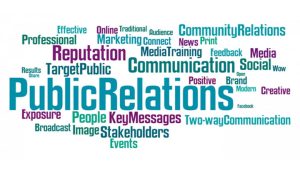
In today’s hyperconnected world, event management is no longer just about planning logistics and coordinating vendors. It’s about creating a compelling narrative, driving attendance, generating buzz, and leaving a lasting impact. This is where public relations (PR) plays a transformative role. From pre-event excitement to post-event coverage, PR brings in the storytelling, visibility, and credibility that can significantly amplify the success of any event management effort.
Understanding the Intersection of PR and Event Management
At first glance, PR and event management might appear as two distinct disciplines. But when strategically integrated, they complement each other powerfully. While event management handles the behind-the-scenes operations—like planning, budgeting, scheduling, and vendor coordination—public relations works on the front lines, shaping public perception, increasing visibility, and creating emotional engagement.
Let’s explore the key ways in which public relations can elevate the value, impact, and reach of your event management strategies.
1. Creating a Strong Pre-Event Buzz
A significant part of successful event management is generating interest before the event even begins. PR is the perfect tool for this. Through press releases, media advisories, influencer outreach, and teaser campaigns, PR professionals can build excitement, generate earned media, and ensure that the event is on the radar of target audiences.
By crafting a compelling story around the event—whether it’s a product launch, a music festival, a conference, or a charity gala—PR helps your event management team attract media attention and drive registrations. The earlier and more authentically the story is shared, the more traction your event gains.
Tools and Techniques:
- Pre-event press releases
- Media previews or behind-the-scenes content
- Strategic interviews with keynote speakers or organizers
- Influencer partnerships
- Hashtag campaigns to drive user-generated content
2. Reaching the Right Audience
You could organize a flawless event, but if it doesn’t reach the right people, your event management objectives fall flat. PR professionals specialize in audience segmentation and media targeting. They know how to get your event featured in the right outlets—whether it’s business publications for a B2B conference or lifestyle blogs for a fashion show.
Using their network of journalists, bloggers, and influencers, PR experts ensure that your event management efforts connect with the people who matter most—potential attendees, sponsors, industry leaders, and media.
3. Enhancing Brand Credibility and Trust
The credibility that comes from earned media coverage—features in newspapers, TV interviews, or online publications—can far outweigh paid advertising. When the public sees trusted media covering your event, it enhances your brand’s legitimacy and trust.
This is especially crucial for first-time or lesser-known event organizers. Effective PR ensures that your event management brand is not just seen but also respected. This credibility helps convert interest into attendance and fosters long-term relationships with audiences.
4. Amplifying Social Media Engagement
Today, every successful event management plan includes a robust social media strategy. PR teams can add rocket fuel to these efforts by coordinating real-time storytelling across platforms. Live tweets, Instagram stories, backstage content, Facebook Lives, LinkedIn updates—when done right—can exponentially expand your event’s reach.
PR professionals also work with influencers and thought leaders to further magnify visibility. They make sure your event’s story is being shared in authentic, engaging ways that generate likes, shares, and discussions.
5. Crisis Management and Reputation Control
Even the best-planned events can face hiccups—weather delays, speaker cancellations, technical glitches, or audience complaints. When something goes wrong, how you handle it matters more than what went wrong.
PR plays a critical role in managing crisis communication during events. A seasoned PR team ensures that your event management brand stays transparent, calm, and professional under pressure. They craft timely responses, engage media proactively, and help protect your reputation.
6. Maximizing Post-Event Impact
The work doesn’t stop when the event ends. In fact, some of the most valuable event management outcomes—like media coverage, partnerships, and brand awareness—happen after the event.
Public relations helps your team close the loop by:
- Sending post-event press releases
- Sharing event highlights with the press
- Publishing photo galleries and recap videos
- Pitching success stories to relevant outlets
- Collecting testimonials and influencer quotes
These activities help extend the shelf life of your event, making it continue to deliver value long after the lights are turned off.
7. Driving Sponsor and Stakeholder Value
Sponsors want ROI. They want visibility, engagement, and brand alignment. PR ensures that sponsors are not just acknowledged but celebrated. Whether it’s through co-branded press coverage, speaker opportunities, or media interviews, PR adds value to the event management equation by keeping sponsors in the spotlight.
When stakeholders see the buzz and coverage that your event generates, they’re more likely to reinvest and advocate for your brand. That’s a win for long-term growth and credibility.
8. Supporting Ticket Sales and Registrations
A well-executed PR campaign can lead to increased ticket sales and attendee registrations. By creating a sense of urgency (“limited spots left!”), exclusivity (“VIP access”), or value (“hear from top industry experts”), PR can work hand-in-hand with the marketing and event management teams to boost attendance numbers.
This is especially crucial for events that rely on audience turnout for financial viability. PR doesn’t just tell people that there’s an event; it tells them why they should care.
9. Building Long-Term Brand Equity
Every event you organize is a chance to build your brand’s voice, credibility, and identity. PR helps shape that narrative over time. When event management and public relations are integrated consistently across events, the audience begins to associate your brand with quality, thought leadership, and professionalism.
This long-term equity ensures that your events become anticipated fixtures on people’s calendars, rather than one-off occasions.
10. Data and Insights for Continuous Improvement
Modern PR is deeply rooted in analytics. Media monitoring, engagement metrics, sentiment analysis, and coverage reports can provide valuable insights into what worked and what didn’t. These insights are gold for your event management team.
By analyzing PR outcomes—like which publications drove the most clicks, what headlines resonated, and which influencers generated buzz—you can refine your future events and communication strategy.
Real-World Example: How PR Transformed an Industry Event
Consider the example of a sustainability summit hosted by a mid-sized environmental NGO. Initially, the event saw limited engagement and media coverage. But once they onboarded a PR team, everything changed.
The PR team:
- Identified compelling human-interest stories among the speakers
- Secured interviews in top-tier media before the event
- Created a social media countdown campaign
- Coordinated on-ground media interactions during the event
- Released post-event impact reports with visual content
The result? A 3x increase in attendance, 40+ media mentions, new sponsor inquiries, and a 200% growth in newsletter sign-ups. The success of the summit wasn’t just about great event management—it was about brilliant storytelling and visibility, delivered through PR.
To thrive in today’s competitive landscape, event management can no longer operate in a vacuum. Events need to tell stories. They need to be seen, heard, and felt. Public relations is the bridge that connects event execution to audience engagement, media attention, and long-term impact.
When PR is treated as a core component rather than an afterthought, the value of event management increases exponentially. Whether you’re hosting a 50-person workshop or a 50,000-person music festival, investing in PR can turn your event into a landmark experience that echoes far beyond the venue walls.
In a world of fleeting attention spans, PR ensures that your event doesn’t just happen—it leaves a mark.