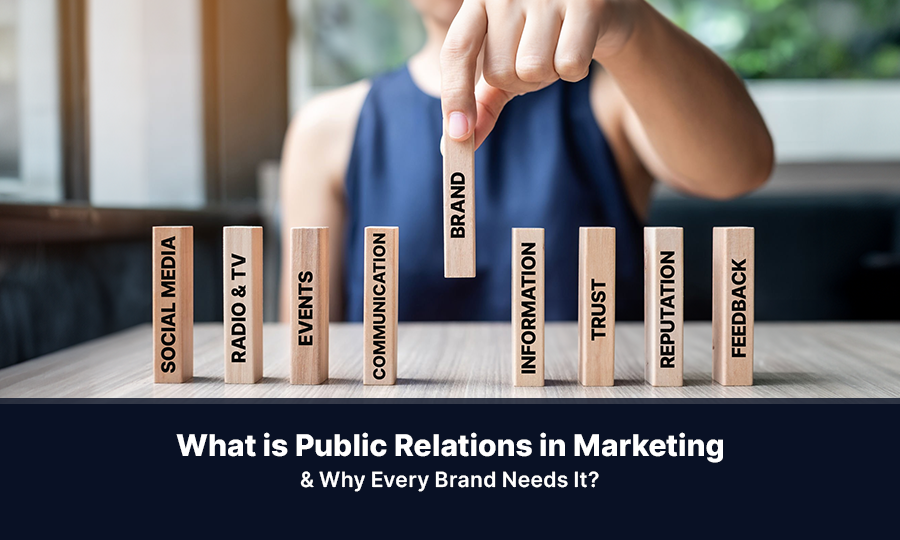
Public relations (PR) has long been a cornerstone of brand building, reputation management, and communication strategy. In the past, PR was heavily reliant on traditional media channels, such as newspapers, magazines, radio, and television. However, the digital revolution has reshaped the landscape, making an online presence not just beneficial but essential. Brands and public figures that fail to establish a strong digital footprint risk becoming invisible to their target audience.
The Digital Transformation of PR
The internet has transformed the way brands communicate with their audiences. Today, PR and digital marketing must work in tandem to maximize visibility, credibility, and engagement. In an era where social media, search engines, and content marketing dominate, a brand that does not leverage digital tools will struggle to stay relevant.
Modern PR is no longer just about media coverage; it is about creating a digital presence that resonates with the audience. Companies that integrate PR with digital marketing gain a competitive edge by harnessing data analytics, storytelling, search engine optimization (SEO), and social media influence to drive their brand narratives.
Tracking Analytics for Better Performance
One of the most significant advantages of digital PR is the ability to track and analyze performance metrics in real-time. Traditional PR relied heavily on subjective measures of success, such as media impressions and audience reach estimates. Today, advanced analytics tools offer a data-driven approach that eliminates guesswork.
SEO tools and digital marketing platforms provide comprehensive analytics that help brands understand their audience, track engagement, and measure campaign effectiveness. Key performance indicators (KPIs) such as website traffic, conversion rates, and audience demographics allow PR professionals to fine-tune their strategies for maximum impact.
If a campaign underperforms, adjustments can be made instantly, ensuring a more agile and responsive PR approach. Brands can optimize their messaging, adjust their targeting, and refine their content based on tangible insights rather than speculation.
Storytelling-Based Content Creation
Despite the power of numbers and analytics, content remains the driving force behind successful PR campaigns. Storytelling is an age-old technique that fosters deep connections with audiences. A well-crafted narrative can humanize a brand, making it more relatable and engaging.
In the digital age, content must be optimized for both human readers and search engines. A strong content strategy seamlessly blends creativity with SEO best practices to ensure that messages reach the right audience. Whether through blog posts, press releases, or multimedia content, storytelling enhances a brand’s credibility and emotional appeal.
Brands that leverage storytelling in their PR efforts create more memorable and impactful campaigns. Consumers are more likely to trust and engage with a brand that tells compelling stories rather than one that relies solely on promotional messaging.
Driving Qualified Traffic to Websites Through Powerful Links
Link building has become an integral component of digital PR. High-quality backlinks from authoritative websites not only enhance a brand’s reputation but also improve its search engine rankings. Securing backlinks from reputable sources like Forbes, The New York Times, or Harvard Business Review signals credibility and trustworthiness to both search engines and audiences.
Earning these valuable links requires a combination of PR and content marketing strategies. Brands must produce high-quality, shareable content that aligns with the interests of authoritative sites. This can be achieved through guest blogging, data-driven reports, thought leadership pieces, and industry insights.
Digital marketing teams play a crucial role in ensuring consistency across all content platforms, from social media to newsletters and websites. By maintaining high content standards, brands increase their chances of earning valuable links that drive traffic and enhance brand authority.
Leveraging the Power of Social Media
Social media is no longer just a supplementary tool for PR; it is a fundamental component of modern communication strategies. Platforms like LinkedIn, Twitter, Instagram, and Facebook allow brands to extend the reach of their media coverage and engage directly with their audience.
When a brand is mentioned in a news article or featured in an interview, social media amplification can significantly boost visibility. Sharing media mentions, tagging influencers, and leveraging hashtags can increase engagement and drive traffic to a brand’s digital assets.
Moreover, social media fosters two-way communication, allowing brands to build relationships with their audience. Through interactive content such as polls, Q&A sessions, and live videos, companies can strengthen their community and enhance brand loyalty.
Paid social media advertising further amplifies PR efforts by targeting specific demographics. By investing in paid promotions, brands ensure that their content reaches the right audience at the right time, maximizing engagement and conversion rates.
The Takeaway: Integrating PR and Digital Marketing for Maximum Impact
The convergence of PR and digital marketing is no longer optional—it is a necessity. Brands that fail to integrate these disciplines risk falling behind in an increasingly digital world. A strong online presence, supported by analytics, compelling content, strategic link-building, and social media engagement, is the key to sustained success.
To assess the effectiveness of your current PR efforts, ask yourself:
- Are your campaigns driving meaningful traffic and engagement?
- Is your content attracting backlinks from authoritative sources?
- Are you leveraging social media to expand your reach and build a loyal community?
If the answer to any of these questions is “no,” it may be time to rethink your strategy. Digital marketing expertise can enhance PR efforts, helping brands connect with their audience in impactful and measurable ways.
By embracing the power of digital tools and integrating them into traditional PR strategies, brands can navigate the evolving media landscape with confidence and success.