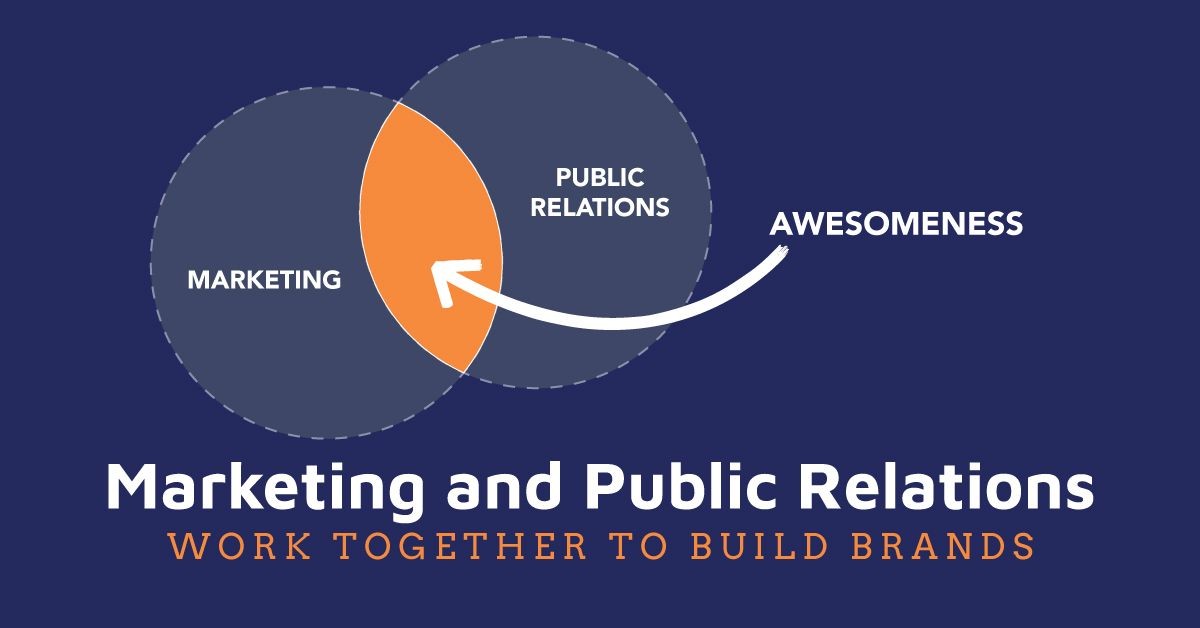
In the ever-evolving world of brand building, collaboration is no longer optional—it’s essential. One of the most impactful collaborations happening in the communication ecosystem today is between a PR agency and a marketing agency. When these two disciplines join hands, brands benefit from a full-spectrum strategy that blends storytelling with strategy, awareness with conversion, and reputation with results.
This blog explores how a PR agency can work seamlessly with marketing counterparts to deliver a comprehensive brand deal—one that’s greater than the sum of its parts.
Understanding the Core Differences and Synergies
Before we dive into the benefits of this partnership, let’s define the unique roles both players bring:
- A PR agency focuses on earned media, reputation management, thought leadership, crisis communication, and public storytelling.
- A marketing agency handles paid media, digital campaigns, analytics, SEO, lead generation, and product promotion.
While a PR agency aims to build long-term credibility and trust through organic influence, marketing agencies are generally tasked with driving measurable conversions, reach, and growth via paid or owned channels. Their goals are aligned, but their methods differ—which is exactly why collaboration works.
1. Unified Brand Messaging Across Channels
One of the most critical benefits of a PR agency working with a marketing agency is message consistency. When a marketing campaign and a PR outreach run in parallel but in silos, it leads to fragmented brand narratives.
By syncing early on:
- The PR agency can align media pitches with campaign messaging.
- The marketing team can echo PR-driven brand stories in their paid assets.
- Both can coordinate calendars to create buzz at the same time.
The result? One voice, many channels. It increases memorability and audience trust.
2. Combining Data and Intuition for Smarter Campaigns
Marketing agencies are typically data-driven, relying on analytics, A/B testing, and metrics to guide decisions. A PR agency, on the other hand, thrives on instinct, storytelling, and cultural relevance.
When these two skillsets converge:
- PR gets access to keyword data, audience insights, and conversion stats that shape more targeted storylines.
- Marketing gets a pulse on public sentiment, influencer trends, and narrative angles that increase engagement.
Together, they create campaigns that resonate both logically and emotionally.
3. Amplifying Media Coverage Through Paid Channels
Let’s say a PR agency successfully lands a story in a top-tier publication. That’s a big win—but without proper amplification, it might only reach a limited audience. This is where marketing can step in.
- A marketing agency can boost earned media coverage using paid ads (e.g., repurposing a media article in a sponsored campaign).
- They can leverage retargeting and email funnels to extract more value from PR hits.
- PR efforts are no longer passive—they become conversion assets.
This synergy ensures that media wins translate into measurable business results.
4. Making Influencer Marketing More Credible
Influencer partnerships often fall under marketing budgets. However, without the strategic oversight of a PR agency, such collaborations can come off as transactional or forced.
By involving a PR agency:
- Influencer partnerships are curated to reflect authentic brand narratives.
- The focus shifts from vanity metrics (likes/follows) to credibility and alignment.
- Influencers are onboarded as storytellers, not just ad platforms.
Marketing makes it scale; PR makes it sincere.
5. Creating Crisis-Proof Campaigns
Marketing campaigns are planned in advance, but the world doesn’t always follow a script. During times of crisis—social, political, or reputational—a PR agency is essential.
When a PR agency works closely with marketing:
- Campaigns can pivot quickly without tone-deaf messaging.
- Crisis responses can be woven into brand channels in real time.
- There’s a shared responsibility for managing perception and impact.
In today’s fast-moving world, this agility is non-negotiable.
6. Enhancing SEO and Domain Authority
A strong PR agency knows how to land backlinks from high-authority websites—news outlets, thought leadership platforms, and editorial columns.
This has a direct benefit on:
- Domain authority
- Search engine ranking
- Content discoverability
When PR teams collaborate with SEO experts within marketing agencies:
- Press releases include optimized anchor texts.
- Media mentions reinforce keyword strategies.
- Joint reporting shows how earned media improves organic traffic.
PR becomes a long-term SEO asset—not just a flash in the pan.
7. Driving Better ROI from Shared Goals
When PR and marketing operate in silos, there’s often duplication—two teams chasing different KPIs, speaking to the same audience, and spending separately. Collaboration removes this inefficiency.
A well-integrated approach means:
- Shared goals like awareness, engagement, and trust are tracked together.
- Budgets are pooled for bigger impact (e.g., joint events, campaign bursts).
- Success is measured holistically—not just in clicks or impressions but in brand equity and sentiment.
ROI becomes both quantitative and qualitative.
8. Supporting Product Launches with Impact
Whether launching a new app, service, or product line, having both a PR agency and a marketing agency at the table ensures that all bases are covered:
- PR handles press kits, embargoed stories, media outreach, and launch events.
- Marketing drives email campaigns, landing pages, social ads, and influencer buzz.
- Together, they coordinate timelines to maximize hype and coverage.
This creates a launch ecosystem instead of isolated efforts.
9. Co-Authoring Thought Leadership
Thought leadership is no longer just a PR job. It needs strategic placement and amplification.
- The PR agency can help position brand leaders as experts through interviews, op-eds, and panels.
- The marketing team can repurpose this content into newsletters, webinars, and LinkedIn campaigns.
This synergy boosts authority, credibility, and lead generation from a single source of truth.
10. Designing Brand Architecture for the Long Run
The most enduring brands don’t just market products—they build narratives. They don’t just advertise—they connect. That’s where a PR agency and marketing agency bring long-term vision.
Together they can:
- Design integrated brand stories that evolve with time.
- Develop proactive media strategies alongside funnel-driven campaigns.
- Co-create content calendars that balance storytelling and selling.
The result is a brand that’s resilient, dynamic, and future-ready.
Real-World Example: How This Works in Practice
Let’s take the example of a clean beauty brand launching its sustainable skincare line.
- The PR agency secures interviews in lifestyle magazines, organizes a pre-launch event, and builds relationships with sustainability journalists.
- The marketing agency runs paid Instagram campaigns, builds influencer UGC workflows, and retargets interested users with email drip campaigns.
- Jointly, they create an immersive digital experience where storytelling meets transaction.
The brand gets visibility, credibility, traffic, and conversions—from one integrated push.
How to Make the Collaboration Work
If you’re a brand considering this dual-agency model, here are some tips:
- Involve both agencies early: Don’t wait to bring PR in after marketing (or vice versa). Co-create the strategy from day one.
- Define shared KPIs: Don’t just track impressions for PR and CTR for marketing. Track brand sentiment, engagement depth, and multi-touch attribution.
- Facilitate regular syncs: Set weekly or bi-weekly calls where both teams share progress, calendar updates, and insights.
- Encourage open access: Let the PR agency see the marketing analytics dashboard and vice versa. Shared data builds better decisions.
- Use collaborative tools: Platforms like Trello, Notion, or Monday.com can help both sides stay in sync on timelines, media lists, and campaign status.
Final Thoughts
In today’s fragmented attention economy, brands can’t afford disjointed communication. The future belongs to those who blend strategy with storytelling, and logic with emotion. A well-integrated partnership between a PR agency and a marketing agency is not just beneficial—it’s transformative.
By joining forces, they offer a 360-degree solution that serves not only the brand but also the customer, the media, and the market. Whether you’re building a brand from scratch or scaling a global campaign, this collaboration will be your competitive advantage.
If your brand is ready to evolve from fragmented tactics to cohesive narratives, it’s time to consider a joint deal between your PR agency and marketing partner. Because in the new age of communication, collaboration is the most powerful strategy of all.