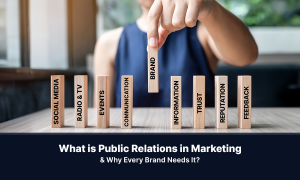
In today’s hyper-connected world, where reputation can shift in a matter of hours, PR for companies has become more than just media coverage — it’s about building relationships, fostering trust, and creating narratives that resonate with all stakeholders. From customers and employees to investors and communities, every group holds a stake in how a brand communicates and behaves.
The role of PR for companies today goes far beyond press releases and event management. It’s about strategically managing perceptions, enabling two-way communication, and ensuring that every interaction aligns with the brand’s values and long-term vision. For businesses navigating complex ecosystems — especially those growing fast or facing disruption — partnering with a professional PR agency can be a game-changer.
1. Understanding the Role of PR for Companies
At its core, PR for companies focuses on creating and maintaining a positive public image. It ensures that the right messages reach the right audiences through the right channels. Whether it’s managing crisis communication, launching a new product, or building thought leadership, PR agencies act as strategic partners that shape the brand’s voice in a crowded market.
Unlike advertising, which is paid and controlled, PR relies on earned trust and credibility. When a journalist writes about your brand, or when your leadership is quoted as an industry expert, that validation carries more weight than a paid ad ever could. This is why PR remains one of the most effective — and cost-efficient — tools for long-term brand reputation management.
2. The Strategic Importance of PR for Companies in Stakeholder Communication
Effective stakeholder communication is no longer optional. Every business — from startups to conglomerates — operates in a reputation economy. Employees want to work for companies that stand for something meaningful. Customers expect transparency. Investors look for integrity and foresight. Governments and communities demand responsibility.
PR agencies help companies navigate this web of expectations by ensuring that the brand’s communication is consistent, credible, and empathetic. Here’s how:
- For Customers: PR helps humanize brands. Through storytelling, case studies, and media narratives, customers connect emotionally with a company’s values, not just its products.
- For Employees: Internal communication campaigns designed by PR agencies ensure that employees feel informed, valued, and aligned with company goals.
- For Investors: Strategic media placements and corporate profiling build investor confidence and highlight leadership credibility.
- For Communities and Policymakers: CSR storytelling and community engagement initiatives amplify a brand’s contribution to society and help build goodwill.
In short, PR for companies strengthens every relationship that matters — internally and externally.
3. How PR Agencies Add Value Beyond Media Coverage
Many companies still associate PR with press releases or event coverage. But a modern PR agency functions more like a communication architect — designing and executing comprehensive strategies across all platforms.
a. Narrative Building and Brand Positioning
A PR agency helps define a brand’s narrative. This isn’t about slogans — it’s about crafting a consistent story that threads through every stakeholder touchpoint. Whether you’re a tech disruptor, a legacy FMCG brand, or a social impact enterprise, the right narrative determines how people perceive your intent and capability.
b. Crisis Preparedness and Reputation Management
Crises are inevitable. What differentiates resilient brands is not their ability to avoid them, but how they manage them. PR agencies prepare detailed crisis communication protocols, media response templates, and training for spokespersons to ensure brands respond with clarity, speed, and empathy.
c. Thought Leadership and Industry Authority
Through strategic bylines, interviews, and speaking opportunities, PR agencies position leadership teams as credible voices in their industries. This builds both external trust and internal pride.
d. Integrated Communication Across Channels
PR is no longer confined to newspapers. It integrates digital media, influencer partnerships, podcasts, and social storytelling. A seasoned PR partner ensures that your brand’s message remains consistent, whether it’s appearing in The Economic Times or trending on LinkedIn.
In essence, PR for companies today is about orchestrating an ecosystem of trust — a blend of visibility, credibility, and relatability.
4. Using PR to Align Brand Purpose with Stakeholder Expectations
One of the biggest shifts in business communication is the rise of purpose-driven branding. Consumers and employees are no longer swayed by polished advertisements alone; they want to know why a company exists beyond profit.
PR agencies play a critical role in helping companies articulate and communicate this purpose authentically. They help identify core value pillars — sustainability, innovation, inclusion, transparency — and weave them into storytelling, CSR campaigns, and leadership messaging.
For example:
- A company focusing on green innovation can collaborate with a PR agency to highlight its sustainability milestones through editorial features and video storytelling.
- A financial services firm might use PR for companies to communicate how it promotes financial literacy among underrepresented groups.
- A retail brand could amplify stories of craftsmanship, ethical sourcing, or women empowerment through curated media tie-ups.
Such narratives not only elevate brand perception but also deepen emotional engagement with stakeholders who share the same values.
5. Data-Driven PR: Turning Insights into Influence
Modern PR is increasingly analytical. PR agencies now use data and technology to track public sentiment, measure message resonance, and fine-tune strategies in real time.
Tools like social listening, media analytics, and stakeholder mapping help PR professionals understand:
- Which narratives are gaining traction
- What concerns or opportunities exist among stakeholders
- How competitors are positioning themselves
By aligning data with storytelling, PR for companies becomes not just creative — but intelligent and adaptive. This ensures that communication decisions are based on real-world insights, not assumptions.
6. The Power of Consistency and Credibility
Inconsistent messaging is one of the biggest reputation risks for modern brands. When a company says one thing in its ads and behaves differently in public or internal affairs, stakeholders lose trust quickly.
A good PR agency ensures coherence between what a brand says, does, and stands for. They help maintain tone, transparency, and authenticity across press statements, leadership communication, internal memos, and social media.
This consistency builds credibility, and credibility compounds. Over time, it turns into influence — the kind that attracts talent, investors, customers, and media organically.
7. Crisis Communication: When Things Go Wrong
No brand is immune to missteps — product recalls, negative reviews, executive controversies, or social backlash. What matters most is response speed, tone, and truthfulness.
PR agencies specialize in managing these high-stakes moments. They:
- Craft accurate, timely responses
- Control misinformation before it spirals
- Train spokespeople to address media calmly
- Use empathy-driven language to rebuild trust
A structured crisis plan — an essential part of PR for companies — can be the difference between a 3-day storm and a 3-year reputation dent.
8. Building Long-Term Trust through Internal PR
Stakeholder communication isn’t only outward-facing. Employees, partners, and vendors are equally crucial audiences. Internal PR — or employee communication — ensures transparency, motivation, and alignment.
Regular updates, internal newsletters, town halls, and leadership blogs all serve to strengthen belonging and purpose. A well-informed workforce becomes an organic brand ambassador base — they embody the culture you’re projecting externally.
That’s why PR for companies must integrate both external and internal communication under one unified strategy.
9. Partnering with the Right PR Agency
Not every PR agency fits every brand. The right fit depends on your industry, scale, and goals. When evaluating partners, look for:
- Industry experience: Do they understand your domain and audience nuances?
- Strategic mindset: Are they storytellers or just executors?
- Transparency: Do they provide data-driven reports and clear deliverables?
- Cultural compatibility: Do they grasp your brand tone, ethos, and leadership style?
A great PR partnership feels like an extension of your internal team — proactive, aligned, and strategic. When done right, PR for companies transforms from a marketing expense into a long-term investment in reputation capital.
10. Measuring the ROI of PR Efforts
While PR isn’t as instantly quantifiable as digital ads, it offers long-term, compounding value. Measuring the impact of PR for companies involves both qualitative and quantitative metrics:
- Media reach and quality: Number and credibility of publications
- Share of voice: Comparison with competitors
- Sentiment analysis: How stakeholders perceive the brand
- Website traffic and engagement: PR-driven referral metrics
- Crisis recovery speed: Time taken to restore reputation
Over time, these indicators reflect in higher trust scores, increased brand loyalty, and improved investor and employee engagement.
In an era defined by information overload and fleeting attention spans, communication must be meaningful, not mechanical. PR for companies isn’t just about shaping public perception — it’s about aligning a brand’s voice with its values, creating dialogue with stakeholders, and standing resilient in moments of change.
Whether you’re a young brand finding your voice or an established one refreshing your reputation, the right PR strategy can amplify credibility, loyalty, and long-term growth.
Because at the end of the day, great PR doesn’t just make people hear your brand — it makes them believe in it.